Film Scanning · 8 min read
Film Photography Accessories for a Home Scanning Setup
Build a practical home film-scanning kit with the handling, cleaning, viewing, and organization tools that support a repeatable workflow.
A home scanning setup does not need every accessory at once. Start with tools that prevent the most expensive mistakes: cutting a frame, scratching an emulsion, introducing dust, or losing track of a roll. This guide prioritizes a practical workflow for US film photographers who scan 35mm or 120 negatives at home.
Start with handling and storage
Archival sleeves, labels, and a stable cutting tool create the foundation. Cut strips to fit your holder, label them by roll and frame, and return them to storage as soon as scanning is complete. Organization is not just filing; it prevents repeated handling of the same negative.
Add dust and static control
A manual blower removes loose particles without forcing air across the film at high pressure. A dedicated antistatic brush can help with charge and lint when used lightly and kept clean. Clean the holder and scanner surface as well as the negative, because a dirty holder can undo careful preparation.
Use a viewing or light tool for inspection
A diffuse light source helps you find frame gaps, inspect scratches, check orientation, and compare exposures before scanning. Viewing the strip under even light is faster and safer than guessing from the sprocket holes or scanner preview alone.
Make the workflow repeatable
- Prepare the clean workspace and scanner holder.
- Inspect and cut dry film to a consistent strip length.
- Remove loose dust and reduce static with least-contact handling.
- Make one test scan before processing the full roll.
- Save originals, record settings, and return film to labeled storage.
Buy for the bottleneck, not the longest checklist
- If cuts are inconsistent, prioritize a stable film cutter.
- If dust dominates your edits, prioritize cleaning and static control.
- If you lose track of negatives, prioritize sleeves, labels, and a roll log.
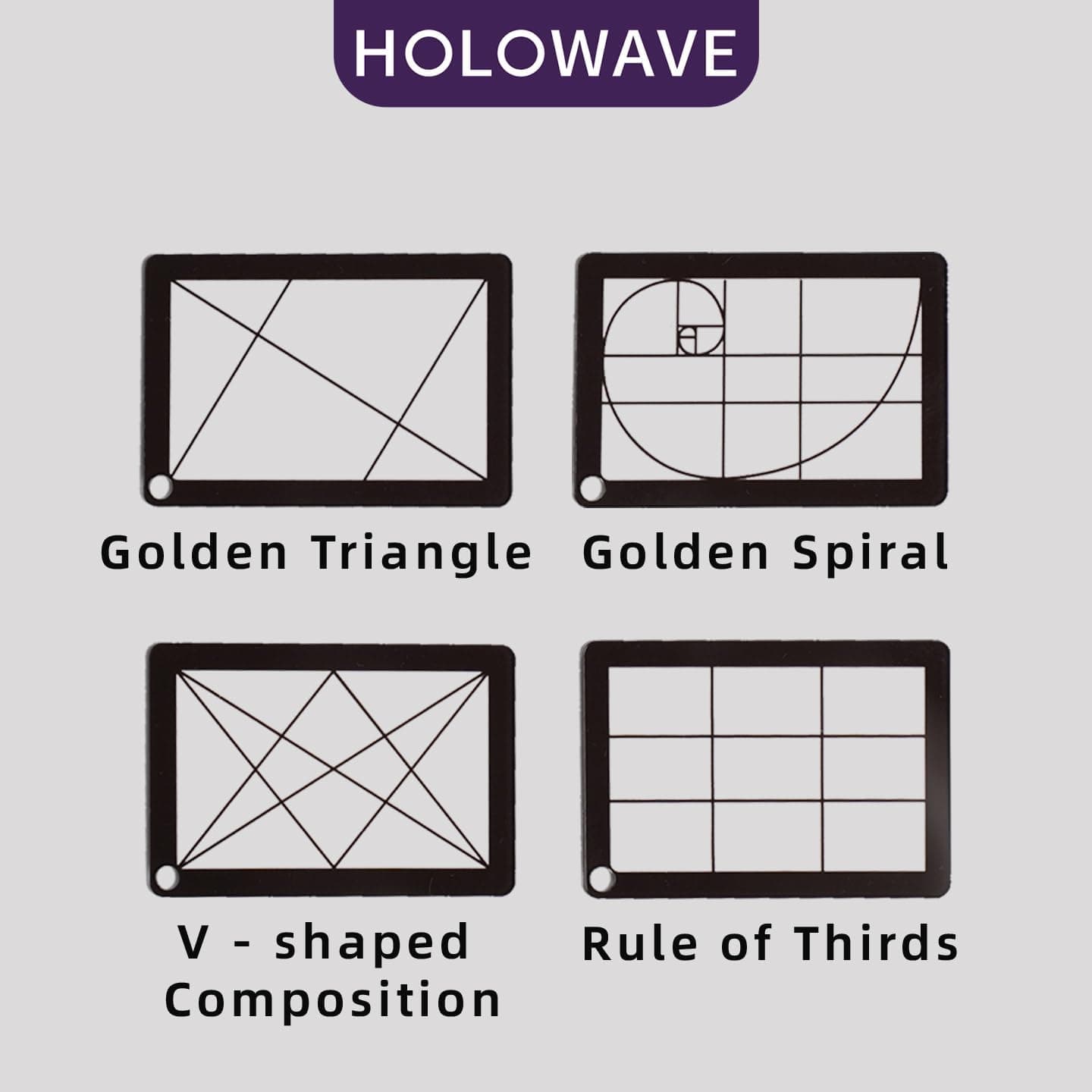
- If exposure or composition is hard to judge, prioritize a clear viewing guide or light source.
Frequently asked questions
Questions about this workflow
What is the first accessory to buy for home scanning?
Choose the tool that solves your current bottleneck. For many beginners that means clean sleeves and a reliable handling workflow before adding specialized equipment.
Do I need every accessory for both 35mm and 120 film?
No. Match the cutter, holder, and sleeves to the film format you actually use. Cleaning, labeling, and storage habits transfer between formats.
Can a good scanner replace careful film handling?
No. A capable scanner cannot recover detail lost to scratches, dust, poor focus, or a cut through the frame. Preparation remains the fastest quality improvement.